
Search

HERE’S YOUR RESULTS

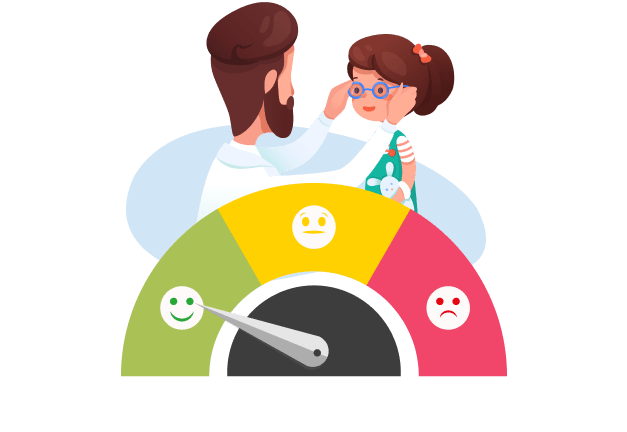
RISK: LOW

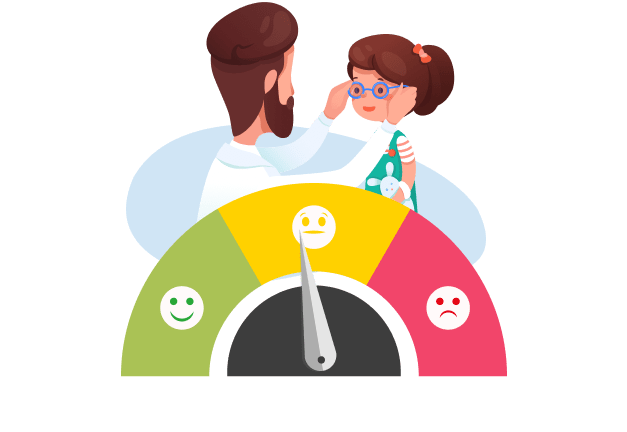
RISK: MODERATE

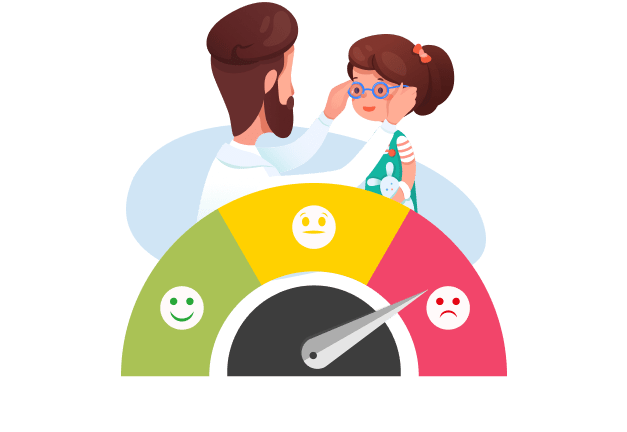
RISK: HIGH

Your child has a low risk of developing myopia.
This suggests that their visual habits and daily activities are currently well balanced, with healthy levels of outdoor time and appropriate near work.

How to maintain this low risk

Continue with regular comprehensive eye exams to monitor your child’s vision as they grow.
Encouraging good visual habits—such as taking breaks from screens, maintaining a comfortable reading distance, and spending time outdoors—can help support healthy vision development and reduce the likelihood of myopia in the future.

Your child has a moderate risk of developing myopia.

This means a few lifestyle or visual factors may be contributing to increased near work or reduced outdoor time.

How to manage this risk

Schedule a comprehensive eye exam to check for early signs of myopia. We can discuss preventive steps or treatment options, such as managing screen time, encouraging more outdoor activities, or using specialized lenses designed to slow myopia progression.

Your child has a high risk of developing myopia.
This means multiple factors may be contributing, such as increased near work, reduced outdoor time, or a family history of myopia.

How to manage this risk

We recommend booking a comprehensive eye exam as soon as possible to assess your child’s vision in detail.
During the exam, we can discuss myopia management strategies, including lifestyle adjustments, managing screen time, increasing outdoor activities, and the use of specialized lenses or treatments designed to help slow myopia progression.

Prevention Tips

More “green time,” less screen time.

You can’t change your child’s genetics, but you can promote healthy habits that support lower overall myopia risk.
Balance near work

Doing more than 1.5 hours of close-up activities outside school has been linked to developing myopia. Close work is still important for learning, so before changing routines, talk with an optometrist about ways to ease eye strain at near (e.g., better lighting, regular breaks, proper posture).

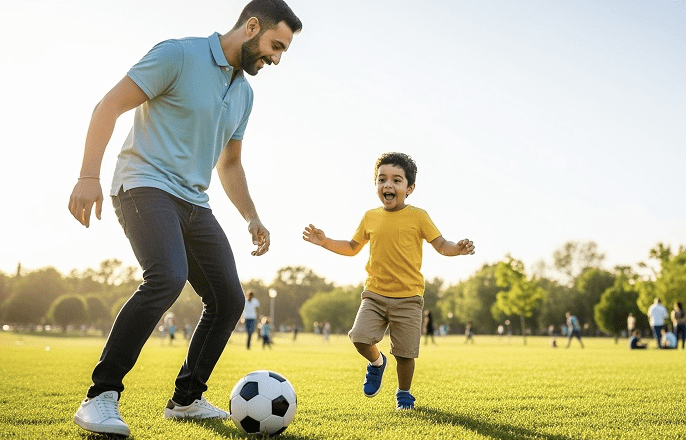
Get outdoors daily

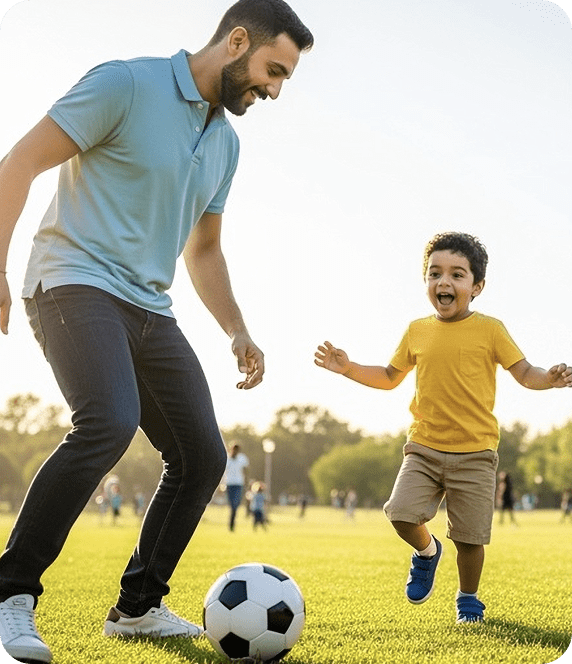
Regular time outside appears to help protect against the onset of myopia. Encourage outdoor play and activities whenever possible.

Check vision with a professional.

We’ve assumed your child doesn’t currently wear glasses and sees normally. An optometrist can confirm this and assess whether your child’s vision suggests normal vs. faster-than-expected eye growth for their age, which can influence myopia risk.