



Your eyesight shapes how you experience everyday life, from reading and driving to recognising familiar faces. Good vision supports independence, confidence, and overall quality of life. But eye health and wellbeing go beyond seeing clearly. Looking after your eyes can also help you stay comfortable, active, and connected to the people and activities you enjoy.
The good news? Small, consistent habits can make a difference. These tips for healthy eyes explain why preventative care matters and how to build an eye care routine that fits your lifestyle.
Why Eye Care Matters for Overall Health

How Vision Affects Everyday Tasks
Clear, comfortable vision makes everyday tasks easier, whether you’re working at a computer, preparing meals, enjoying hobbies, or navigating busy roads. When your vision changes, you may experience headaches, difficulty focusing, or frustration with activities you once found effortless.
Healthy eyesight also supports independence as you age. It helps you move around safely, remain socially engaged, and enjoy an active lifestyle. Addressing vision concerns early can reduce their impact on your daily life.
Why a Regular Eye Exam Matters
A regular eye exam does more than determine whether you need glasses or a new prescription. Your optometrist also assesses your eye health and looks for signs of conditions such as glaucoma, cataracts, and age-related macular degeneration.
An eye exam may also reveal changes associated with certain health conditions, including diabetes and high blood pressure. Some eye diseases develop without noticeable early symptoms, making routine appointments especially valuable. How often you need an exam depends on your age, eye health, and individual risk factors. Your optometrist can recommend an appropriate schedule.
For children, adults, and seniors alike, eye care needs can change over time. Personalized guidance helps you choose habits that suit your circumstances.
Common Eye Problems and Risk Factors

Digital Eye Strain
Long periods spent using computers, tablets, or smartphones can lead to digital eye strain. Symptoms may include tired or dry eyes, blurred vision, headaches, and discomfort around your neck or shoulders. Reduced blinking and prolonged close-up focusing can contribute to these symptoms.
Dry Eyes
Dry eye symptoms can include burning, redness, watering, or a gritty sensation. They may be aggravated by screen use, contact lenses, dry indoor air, or certain medications. If discomfort persists, an optometrist can help identify the cause and recommend suitable care.
Changes in Focus and Vision
Nearsightedness (myopia) makes distant objects appear blurry, while farsightedness (hyperopia) can make focusing difficult, particularly at close distances. Vision can also change naturally with age. Rather than guessing what’s causing blurry vision, have your eyes assessed professionally.
Other factors that can affect eye health include family history, smoking, diabetes, UV exposure, and increasing age. Understanding your personal risks is an important part of caring for your sight.
Everyday Habits That Support Healthy Eyes

Follow the 20-20-20 Rule
One of the simplest daily eye care tips is to take regular screen breaks. Every 20 minutes, look at something about 20 feet away for at least 20 seconds. This can help ease the discomfort associated with prolonged screen use. Remember to blink regularly, too, especially when concentrating.
Prioritise UV Protection for Eyes
UV protection for eyes matters in every season, including Canadian winters when sunlight reflects off snow. Choose sunglasses labelled UV400 or offering 100% UVA and UVB protection, and wear them outdoors when appropriate. A wide-brimmed hat can provide additional shade. Dark lenses alone don’t guarantee proper UV protection.
Make Your Workspace Eye-Friendly
Place your computer screen roughly an arm’s length away, with the top of the display at or slightly below eye level. Adjust brightness and reduce glare to improve comfort. If you wear glasses, ask your optometrist whether your prescription meets your screen-use needs.
Support Your Eyes With Healthy Habits
A balanced diet that includes leafy greens, colourful vegetables, and sources of omega-3 fatty acids supports general health, including eye health. Staying hydrated, getting adequate sleep, being physically active, and avoiding smoking are sensible habits for long-term wellbeing.
When to Seek Professional Advice
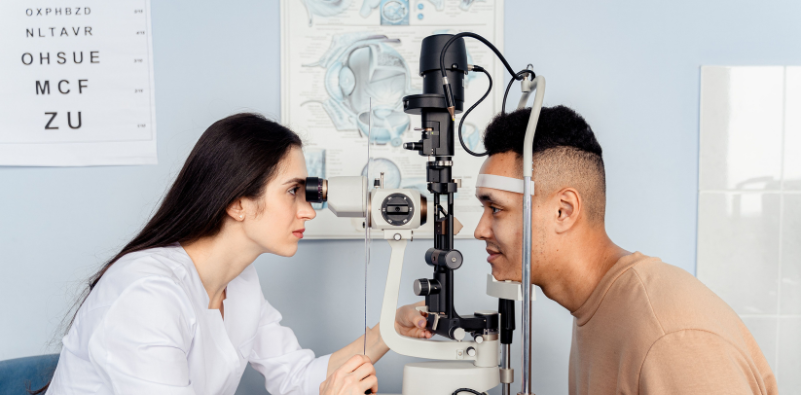
Don’t ignore persistent dryness, frequent headaches, or changes in vision. Sudden vision loss, new flashes of light, or a sudden increase in floaters requires urgent assessment. Regular visits and prompt attention to new symptoms work together to protect your sight.
You don’t need a complicated eye care routine to make your vision a priority. Take screen breaks, protect your eyes from UV rays, practise healthy habits, and schedule eye exams as recommended.
At Norfolk Family Eye Care, our team is here to help you care for your eyesight at every stage of life. Whether you’ve noticed a change in your vision or it’s time for a checkup, book your eye exam with Norfolk Family Eye Care today.