



If you regularly experience dry, gritty, burning or watery eyes, you may have dry eye. Dry eye treatment depends on what is causing your symptoms, which may include reduced tear production, tears evaporating too quickly or problems with the quality of your tear film.
At Norfolk Family Eye Care, we help patients in Simcoe, Port Dover and Waterford identify factors contributing to dry eye symptoms and explore treatment options tailored to their needs.
What Is Dry Eye?
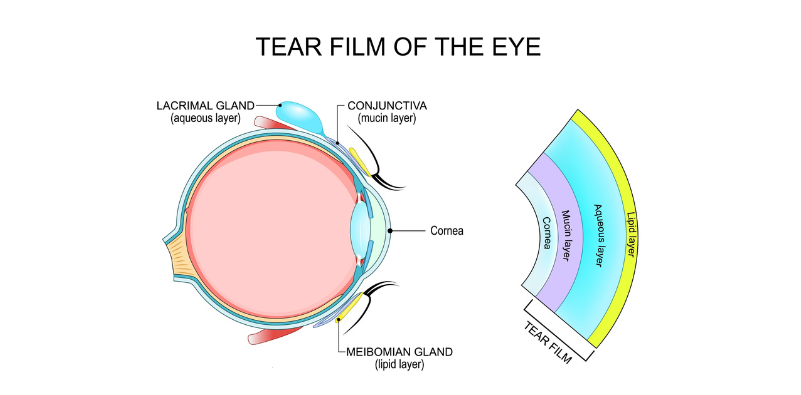
Dry eye is a condition that occurs when your tears do not adequately lubricate and protect the surface of your eyes. This may happen because your eyes do not produce enough tears or because the tear film is unstable and evaporates too quickly.
A healthy tear film contains watery, oily and mucus components that work together to keep the eyes smooth and comfortable, protect against irritants and support clear vision. When this balance is disrupted, the surface of the eye can become dry and irritated.
What Are the Most Common Causes of Dry Eyes?

Common causes and contributing factors for dry eyes include meibomian gland dysfunction (MGD), prolonged screen use, contact lens wear, age, certain medications and environmental conditions.
Meibomian gland dysfunction is a common contributor to evaporative dry eye. The meibomian glands in your eyelids produce oils that help prevent your tears from evaporating too quickly. When these glands become blocked or do not function effectively, tears may evaporate faster than they should.
Other factors that can contribute to dry eyes include:
- Prolonged screen use: We tend to blink less frequently or less completely when concentrating on computers, phones and other digital devices.
- Contact lenses: Lens wear can affect the tear film and may contribute to dryness or discomfort in some people.
- Age: Tear production and tear-film quality can change as we get older.
- Medications and health conditions: Certain medicines and medical conditions may affect tear production or the eye’s surface.
- Your environment: Wind, smoke, dry indoor air, heating and air conditioning can increase tear evaporation.
Identifying what is contributing to your symptoms is important because treatment varies by cause. MGD treatment, for example, may focus on improving the function of the eyelid glands, while other forms of dry eye may require a different approach.
What Are the Symptoms of Dry Eye?

Dry eye symptoms often include dryness, burning, stinging, grittiness, redness, watery eyes and fluctuating or blurry vision. Some people also experience tired eyes, a scratchy sensation or discomfort when wearing contact lenses.
Surprisingly, dry eye can sometimes cause excessive watering. When the eye’s surface becomes irritated, it can trigger reflex tears. These tears, however, may not provide the balance of oil, water and mucus needed to maintain a stable tear film.
Persistent watering can have other causes, so it should not automatically be assumed to be dry eye. An eye examination can help determine what may be contributing to your symptoms.
How Can You Treat Dry Eyes?

How to treat dry eyes depends on the underlying cause and severity of your symptoms. Mild or occasional symptoms may improve with changes to your daily routine and appropriate lubricating eye drops.
Steps that may help relieve dry eyes include taking regular breaks from screens, blinking fully and frequently, and avoiding direct airflow from fans, heaters and air-conditioning vents. Maintaining normal hydration may also help support overall eye comfort.
Depending on the cause, your eye care professional may recommend artificial tears or other lubricating drops, warm compresses, or eyelid and lash hygiene.
If you regularly experience itchy dry eyes, burning eyes, watering, blurred vision or ongoing discomfort, an eye care professional can assess the underlying cause and recommend appropriate treatment rather than relying indefinitely on over-the-counter products.
What Treatment Options Does Norfolk Family Eye Care Offer?

At Norfolk Family Eye Care, dry eye treatment is tailored to the type and cause of your symptoms. Following an assessment, your optometrist may recommend one or more treatment options.
Depending on your needs, these may include:
- Specialized lubricating eye drops to support the tear film and improve comfort.
- Heat therapy to help support the function of the oil-producing meibomian glands.
- Meibomian gland expression to help release oils from blocked or poorly functioning glands.
- Professional lid and lash hygiene to help manage debris and build-up around the eyelids.
- Prescription eye drops for dry eyes, which may be recommended for some patients to help address inflammation.
- Radiofrequency therapy, including TempSure Envi, which delivers controlled therapeutic heat and may be incorporated into a dry eye management plan.
The treatments recommended will depend on your symptoms, eye health and what your assessment reveals.
When Should You See an Eye Care Professional?

Occasional mild dryness may settle with simple lifestyle adjustments, but recurring, persistent or worsening symptoms deserve attention. Consider arranging an assessment if dry eye is affecting your vision, making contact lenses uncomfortable or interfering with everyday activities.
Norfolk Family Eye Care provides personalized dry eye care alongside comprehensive optometry services at its three Norfolk County locations in Simcoe, Port Dover and Waterford, Ontario.
Tired of dealing with dry, irritated eyes? Book a dry eye assessment with Norfolk Family Eye Care and discover a treatment plan tailored to your needs.