


Summer in Norfolk County means beach days, road trips, backyard gatherings, long sunny walks, and more time in the sun. If you wear contacts, the season can also bring dryness, sweat, sunscreen, dust, and water exposure. Smart contact lens care helps keep your vision clear, comfortable, and protected while reducing the risk of irritation or infection. Use this summer checklist before you pack your bag, head to the pool, or leave for vacation.
What Should You Do for Safe Contact Lens Care in Summer?
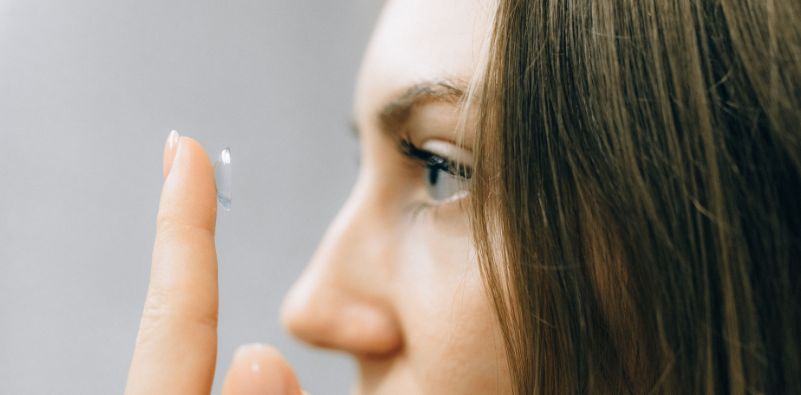
Start with clean, dry hands. Wash with soap, rinse well, and dry with a lint-free towel before touching your lenses. This simple habit is one of the most important parts of contact lens safety, especially when you are outdoors, travelling, or applying sunscreen.
Stay hydrated throughout the day. Warm weather, air conditioning, wind, and screen time can leave eyes feeling dry. Drinking water supports tear production, and rewetting drops for contacts may help when lenses feel uncomfortable. Use only drops recommended for contact lens wear and ask your optometrist which option is right for you.
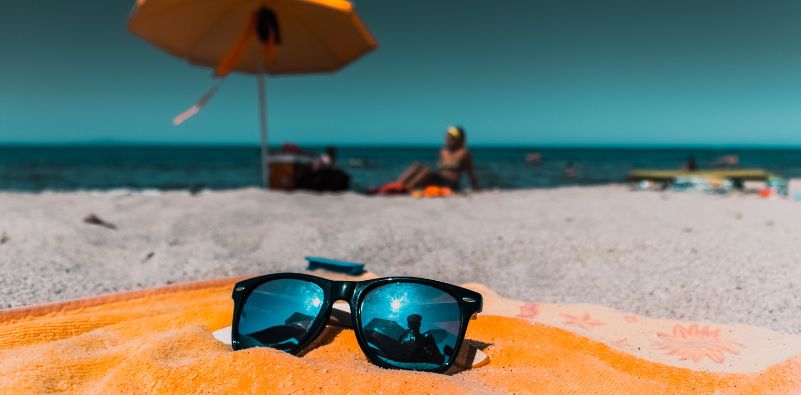
Wear UV-protective sunglasses over your contacts. Contact lenses do not replace sunglasses, and quality shades help protect your eyes from UV rays, glare, wind, sand, and airborne debris. A wide-brimmed hat can add another layer of comfort.
Follow your replacement schedule exactly. Monthly and two-week lenses need proper cleaning and timely replacement, while daily disposable contact lenses are worn once and discarded. Daily disposables can be a convenient summer option because you start each day with a fresh pair and do not need to store lenses overnight.
Use fresh contact lens solution every time. Never “top up” old solution in your case. Empty the case, rinse it with fresh solution, let it air dry, and replace it every few months. Keeping the case clean matters because it can collect bacteria and deposits.
What Contact Lens Mistakes Should You Avoid?

Can you swim with contact lenses? The safest answer is no. Pools, lakes, oceans, hot tubs, and showers can expose lenses to microorganisms that may become trapped against the eye. This can increase the risk of painful infections, including rare but serious corneal infections. Remove your lenses before swimming or ask about prescription swim goggles.
Do not sleep in contacts unless your optometrist has specifically prescribed lenses for overnight wear. Sleeping in daily-wear lenses reduces oxygen flow to the cornea and can increase infection risk.
Do not use tap water, bottled water, or saliva to clean lenses. Water is not sterile and should never touch your contacts or lens case. If a lens falls out and you do not have solution, discard it or switch to glasses.
Never wear torn, chipped, or uncomfortable lenses. A damaged lens can scratch the eye and make irritation worse. Remove it immediately and replace it with a fresh lens.
Do not ignore warning signs. Redness, pain, light sensitivity, blurry vision, discharge, or discomfort that does not improve after removing lenses should be assessed promptly by an eye care professional.
How Can You Care for Contact Lenses While Travelling?

Pack more than you think you need: spare lenses, backup glasses, travel-sized solution, rewetting drops, sunglasses, and a clean lens case. Keep supplies in your carry-on when flying so you are not caught without them if checked luggage is delayed.
Stick to your routine, even on vacation. Wash your hands, replace lenses on schedule, and avoid stretching wear time after a long day outdoors. If your eyes feel dry or tired, switch to glasses for the evening.
When Should You Book A Contact Lens Fitting?
Book a contact lens fitting if your lenses feel dry, move around, blur your vision, or no longer suit your lifestyle. Your optometrist can check the fit, review your prescription, assess eye health, and recommend options for summer comfort, including daily disposables or lenses designed for longer days.
Planning summer adventures around Norfolk County? Make contact lens care part of your sunscreen-and-sunglasses routine. For personalized contact lens safety advice, travel tips, or help with dryness and discomfort, schedule an appointment with Norfolk Family Eyecare and enjoy clear, healthy vision all season.